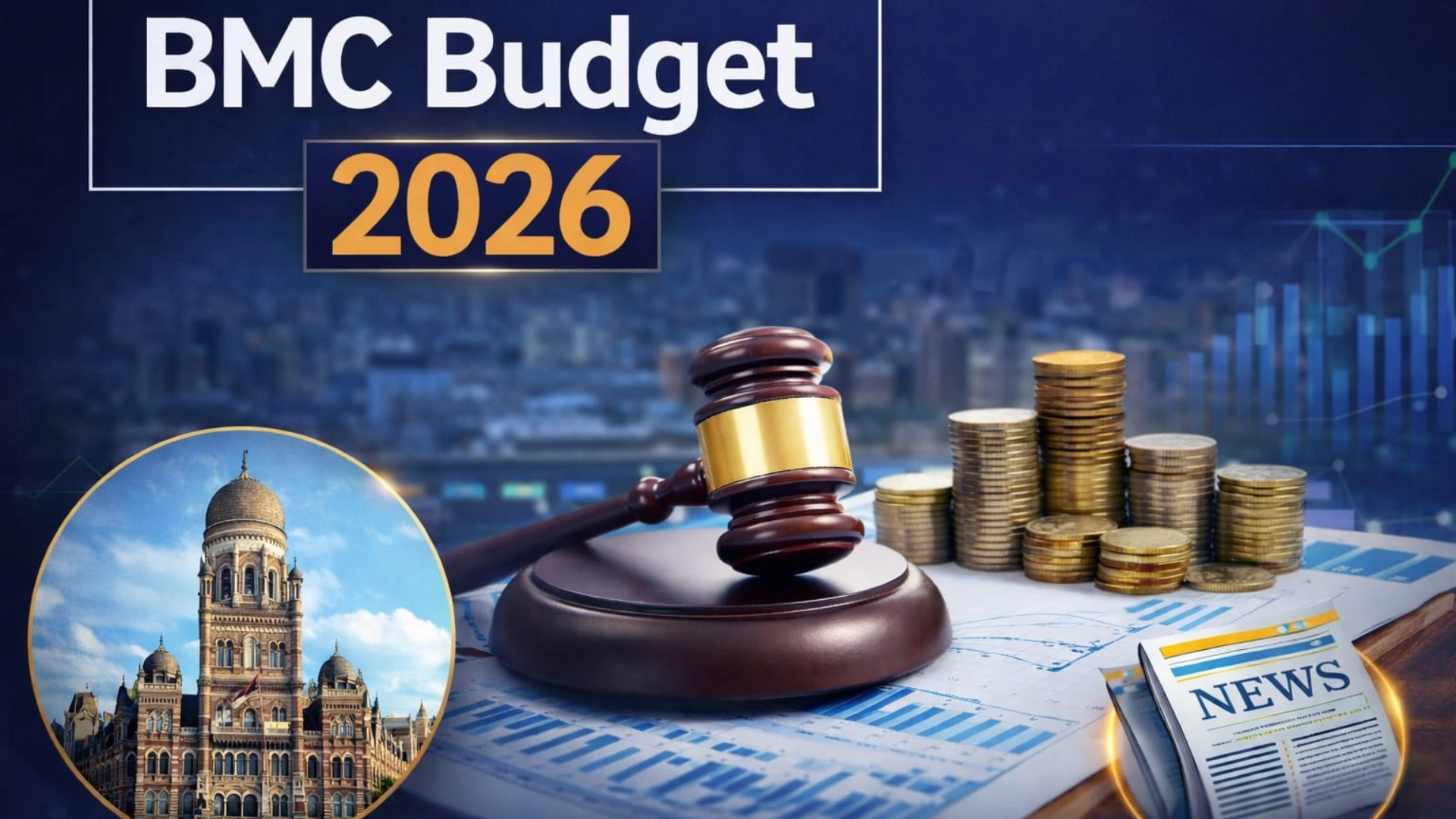
BMC Budget 2026: When people talk about powerful budgets, they usually think of big states or the central government. But the Brihanmumbai Municipal Corporation, or BMC, tells a very different story. Often called India’s richest civic body, the BMC Budget 2026 is once again grabbing headlines for its massive size. Surprisingly, its financial strength is being compared to entire Indian states like Goa and Himachal Pradesh, leaving many wondering how a municipal body can command such wealth.
Why BMC Budget Shocks
The BMC budget consistently stuns observers because of its sheer scale. For 2026, the proposed budget runs into tens of thousands of crores, making it larger than the annual budgets of several Indian states. This financial muscle comes from Mumbai’s unmatched economic activity, high property taxes, and strong revenue streams. For a civic body, managing funds of this magnitude is rare not just in India, but globally.
Bigger Than Some States
One of the most talked-about aspects of the BMC Budget 2026 is how it compares with state budgets. States like Goa and Himachal Pradesh operate with smaller financial outlays than Mumbai’s municipal corporation. This comparison highlights the unique position Mumbai holds as India’s financial capital. The city’s contribution to national taxes and economic output directly strengthens the BMC’s financial standing year after year.
Where The Money Comes
The BMC earns revenue from multiple powerful sources. Property tax remains its biggest contributor, supported by premium real estate prices in Mumbai. Additional income comes from water charges, development fees, advertisement licenses, and grants. The city’s constant construction activity ensures steady inflow. This diversified revenue base helps the BMC remain financially independent and less reliant on state or central government funding.
Focus On Infrastructure Growth
A large portion of the BMC Budget 2026 is expected to be spent on infrastructure. This includes road concretisation, bridge construction, coastal road expansion, and flood prevention projects. With Mumbai facing monsoon challenges every year, drainage upgrades and climate-resilient infrastructure remain priorities. These investments aim to improve daily commuting, reduce waterlogging, and enhance the city’s long-term sustainability.
Health And Education Push
Healthcare and education continue to receive strong attention in the BMC Budget 2026. Municipal hospitals, health centres, and medical colleges are set for upgrades, especially after lessons learned from past public health emergencies. Schools run by the civic body are also expected to get improved facilities, digital learning tools, and better teacher support. This focus directly impacts millions of Mumbai residents who rely on public services.
Public Transport And Mobility
Urban mobility is another key focus area. Funds are allocated for road improvements, pedestrian-friendly projects, and support infrastructure for metro connectivity. While major metro projects are handled by other agencies, the BMC plays a crucial role in road access, flyovers, and traffic management. These investments are aimed at easing congestion in one of the most densely populated cities in the world.
Criticism And Public Questions
Despite its size, the BMC budget often faces criticism. Citizens question whether such massive funds translate into visible improvements on the ground. Issues like potholes, delayed projects, and transparency concerns regularly spark debate. Critics argue that better planning and accountability are needed to ensure taxpayers’ money delivers real value, not just impressive budget numbers.
Why This Budget Matters
The importance of the BMC Budget 2026 goes beyond Mumbai. It reflects how urban governance is evolving in India. As cities grow economically, municipal bodies are gaining greater financial responsibility. The BMC serves as a model and a warning, showing both the potential and challenges of managing city-level budgets that rival state governments.
Conclusion
The BMC Budget 2026 proves that Mumbai is not just India’s financial capital in name, but also in numbers. With a budget richer than some states, the civic body holds enormous power to shape urban life. The real test, however, lies in execution. If spent wisely, this budget can transform Mumbai’s infrastructure and public services. If not, it risks becoming another reminder that big money alone doesn’t guarantee big change.