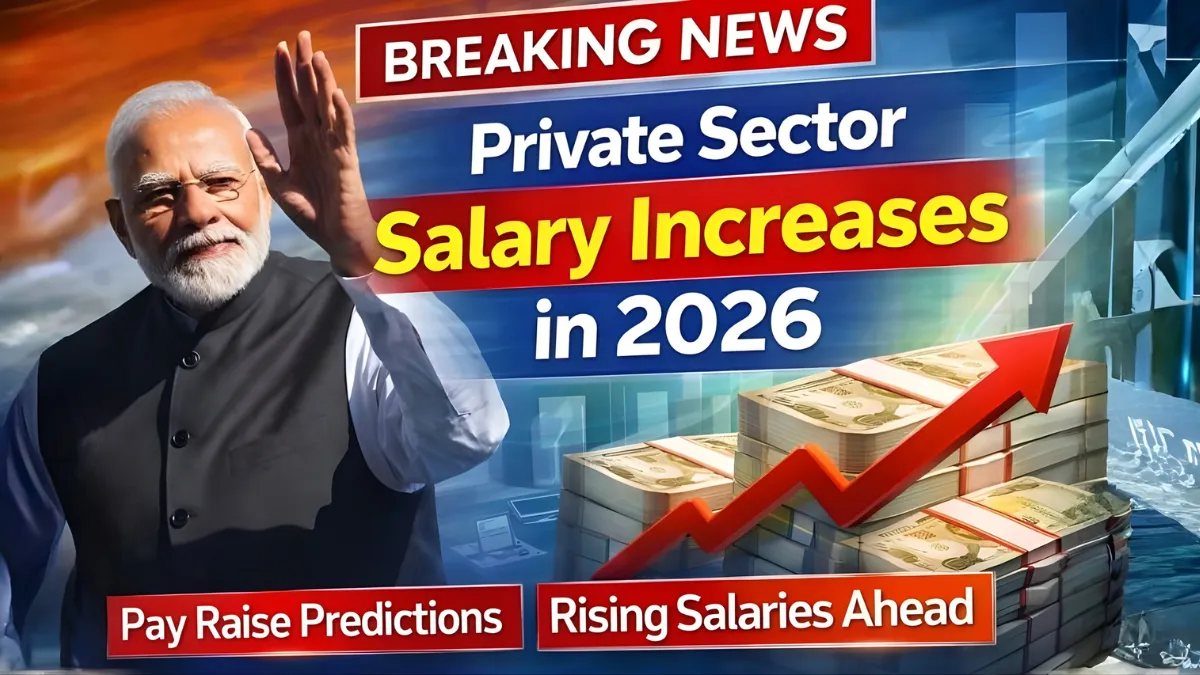
Private Sector Salary Increases in 2026: For millions of private sector employees, 2026 is shaping up to be a year of cautious optimism and renewed motivation. After years of economic uncertainty, companies are finally signaling stronger salary growth, especially for those who consistently deliver results. From tech professionals to corporate managers, high performers are likely to see meaningful pay hikes that reward skills, productivity, and loyalty. This shift is not just about money it reflects how workplaces are evolving and valuing talent more strategically than ever before.
Strong Focus on Performance
Private companies are increasingly linking salary increases directly to performance metrics. In 2026, appraisals are expected to play a decisive role in determining who gets the biggest raises. Employees who exceed targets, demonstrate leadership, or contribute to revenue growth are likely to secure maximum increments. This performance-driven approach encourages accountability and innovation while helping businesses retain top talent in a competitive job market where skilled professionals have more options.
Economic Stability Driving Confidence
Improving economic stability is one of the key reasons behind higher salary budgets in the private sector. As inflation pressures ease and consumer demand strengthens, companies feel more confident allocating funds toward employee compensation. Many organizations have reported healthier balance sheets, allowing them to plan long-term workforce investments. This positive outlook for 2026 means salary hikes are no longer defensive measures but proactive steps to support growth and maintain workforce morale.
Industries Offering Higher Raises
Not all sectors will move at the same pace, but some industries are expected to lead the salary hike trend in 2026. Technology, finance, renewable energy, healthcare, and data-driven roles are among the top beneficiaries. These sectors continue to face talent shortages, pushing employers to offer competitive raises to retain skilled employees. Professionals with niche expertise, digital skills, or regulatory knowledge are particularly well-positioned to secure higher increments.
Retention Becoming Top Priority
Employee retention has become a critical concern for private sector employers. Frequent job-hopping and rising recruitment costs have forced companies to rethink compensation strategies. In 2026, salary hikes are being used as a retention tool rather than just an annual formality. High performers who show long-term commitment are more likely to be rewarded with better pay packages, bonuses, and growth opportunities, reducing the temptation to explore external offers.
Role of Skill-Based Pay
Another noticeable trend in 2026 is the growing importance of skill-based pay. Employers are rewarding employees who upgrade their skills, earn certifications, or adapt to new technologies. This approach aligns salaries with real business value rather than job titles alone. Professionals who invest in continuous learning and stay relevant in a fast-changing workplace are expected to benefit the most, making upskilling a smart financial move as well as a career strategy.
Managerial Reviews Gaining Weight
Managers are expected to have greater influence over salary decisions in 2026. Detailed performance reviews, peer feedback, and project outcomes will shape final hike percentages. This personalized evaluation process allows companies to differentiate clearly between average performers and top contributors. For employees, this means visibility and communication matter more than ever. Consistently showcasing achievements throughout the year can significantly impact final salary outcomes.
Conclusion
The private sector salary increases planned for 2026 signal a clear message: performance, skills, and commitment truly matter. High performers stand to gain the most as companies align pay structures with productivity and long-term growth goals. While not every employee may receive a maximum raise, the overall trend points toward a healthier, more transparent compensation culture. For professionals, staying proactive, skilled, and results-focused could make 2026 a financially rewarding year.